
Day 1 – Tuesday, May 5
REGISTRATION
Stop by the registration table to pick up your badge and program.
TUTORIAL – Multiple Clinical Trial Designs for AI
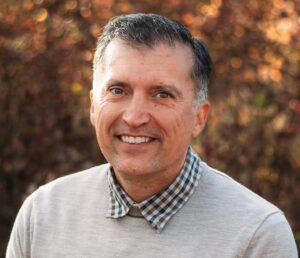
University of Wisconsin–Madison

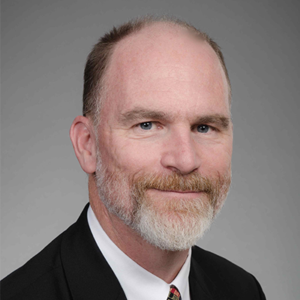
This session will discuss various clinical trial designs to generate robust scientific and statistical evidence of the clinical impact of an AI model. The session will begin with an overview of trial design for clinical AI models, cover advanced study designs such as stepped-wedge and cluster-randomized designs, and highlight these principles in real-world case studies, including the evaluation of AI scribes.
OPENING REMARKS
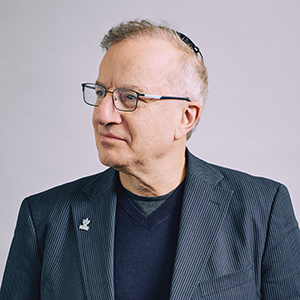
Editor-in-Chief, NEJM AI
THERAPEUTIC ACTIONABILITY AI CHALLENGE UPDATE

SVP of Medical AI, OpenEvidence
Even after receiving a genetic diagnosis, many rare disease patients face a prolonged and uncertain search for viable treatments. The Therapeutic Actionability AI Challenge invites teams to confront this gap by building automated systems, leveraging LLM agents and related AI technologies, that transform a patient’s genetic diagnosis into a personalized therapeutic actionability report. The competition unfolds in two phases: first, a question-answering phase built on a curated benchmark of challenging, real-world therapeutic decision edge case scenarios generated with input from functional genomics experts, clinicians, and genetic counselors; and second, full report generation. Cash prizes will be awarded to top-performing teams. Join us to hear about the challenge goals, how the benchmark is designed to reveal weaknesses in today’s biomedical AI systems, and ways to get involved.
PANEL 1 – Beyond the Hype: What We’ve Learned from AI Failures in Healthcare
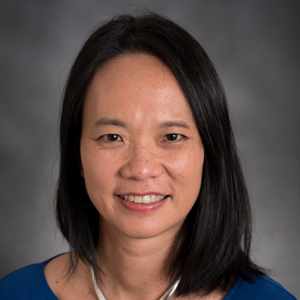
Kaiser Permanente

Professor of Informatics, Children’s Hospital of Philadelphia (CHOP)
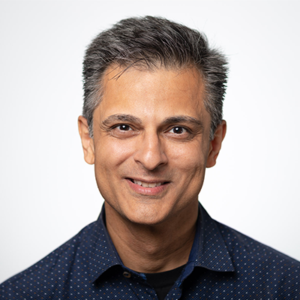
Clinical Lead, Artificial Intelligence at Ontario Health
Faculty Affiliate, Vector Institute
Professor, University of Toronto
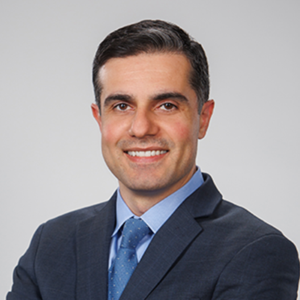
Associate Professor of Pediatrics, University of Pennsylvania
There is still a big gap between what AI is supposed to deliver in healthcare and what it delivers in practice. Many tools don’t perform as expected once they’re deployed, or they never achieve the impact they were built for. This panel brings together leaders who have been through those hard lessons and will share candid examples of what went wrong and why. We will look at common failure modes–from technical problems (e.g., performance drift and weak generalization) to operational realities (e.g., workflow fit, integration pain, and clinician trust) to broader system issues (e.g., equity, transparency, and governance). The goal isn’t to dwell on failure; it’s to extract the lessons we need, to build AI that works in the real world.
BREAK
WELCOME DINNER
Come enjoy dinner and an interactive artisanal rum tasting with Nativo Rumeliers, with live music of guitar and cajón.
Day 2 – Wednesday, May 6
BREAKFAST (OPTIONAL: FLAGSHIP PIONEERING ROUNDTABLE)
Drop by the Flagship Pioneering roundtable for a conversation on building breakthrough companies at the intersection of AI and life sciences. Learn how Flagship scientists and entrepreneurs are using AI to unlock new opportunities in human health, planetary health, and beyond – and explore emerging opportunities across Flagship and its growing ecosystem of companies. Led by Scott Lipnick.
DAY 2 REMARKS
DEBATE 1 – To Skill or Deskill: Examining AI’s Impact on Clinician Development in the Learning Health System
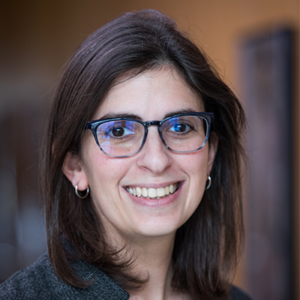
Associate Professor of Clinical Medicine & Associate Chief, Division of Clinical Informatics and Digital Transformation (DoC-IT), Department of Medicine
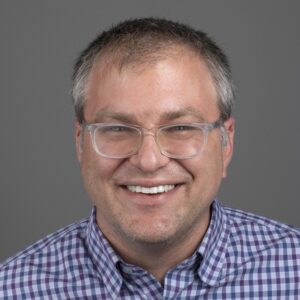
Assistant Professor, Harvard Medical School
Associate Editor, NEJM AI
Artificial intelligence is rapidly being integrated into healthcare, promising to improve patient safety, operational efficiency, and care quality. Yet as AI takes on increasingly complex clinical tasks, a critical question emerges: are we inadvertently eroding the very experiences that shape skilled, competent clinicians? Reduced exposure to diagnostic reasoning, procedural practice, and critical decision-making may have long-term consequences for the workforce we are training today. In this debate, we will challenge assumptions on both sides and ask whether we are even framing the right questions about AI and clinical competency.
FIRESIDE CHAT – The Real World of Patient Experience with AI
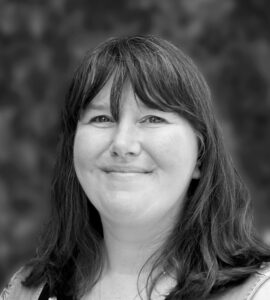
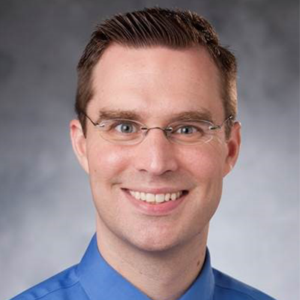
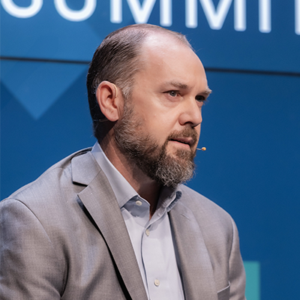
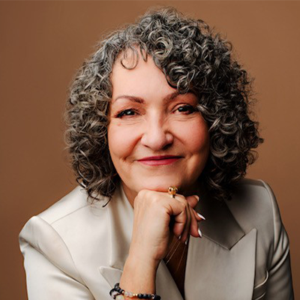
What really happens when AI meets patients at the point of care? In this fireside chat, a journalist, a health-tech executive, and patient advocates share candid, lived experiences of how AI shapes real-world care—at the front door, behind coverage decisions, and inside clinical workflows. Grounded in first-hand experience, this panel will explore how AI is designed and deployed in real-world settings and asks: whose values are these systems serving by default—and what would it take for them to more reliably reflect patients’ interests and human values?
BREAK
INVITED TALK 1 – Prospective Studies and the Feasibility and Promise of Conversational Diagnostic AI in Real-World Care
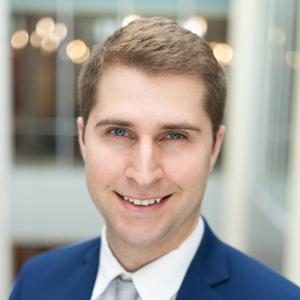
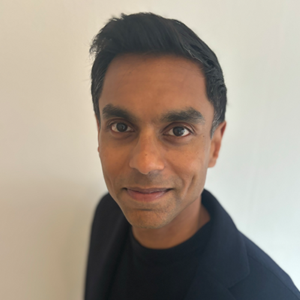
Assistant Professor, Harvard Medical School
Associate Editor, NEJM AI
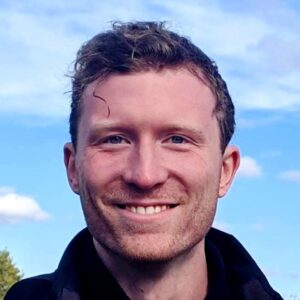
This talk reports results from a pre-registered prospective study of the Articulate Medical Intelligence Explorer (AMIE) at a busy primary care clinic in Boston, Massachusetts. This presentation will focus not only on trial results, but on methodological lessons learned for those looking to safely launch patient-facing AI studies.
SPOTLIGHT TALK 1 – AI for Autonomous Chest X-ray Reporting in the NHS: A Pre-implementation Medical Algorithmic Audit
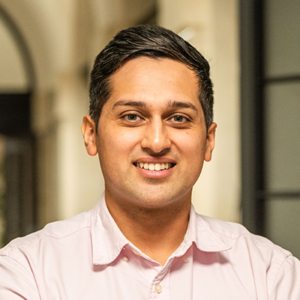
University of Birmingham, UK
This talk presents a pre-implementation medical algorithmic audit of an autonomous chest X-ray reporting system (Oxipit ChestLink) conducted at a large NHS university hospital. The session will highlight real-world performance across patient subgroups and discuss implications for safe clinical deployment.
SPOTLIGHT TALK 2 – Reimagining the Work Itself: Trial Results and Lessons Learned from the Country’s Largest Cardiovascular AI Screening Program
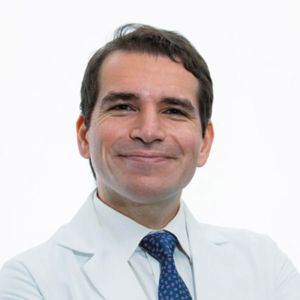
Medical Director for AI, NewYork-Presbyterian
This talk will present findings from the CACTUS pilot where 7,072 patients in 8 emergency departments were screened for structural heart disease using EchoNext, the first AI model to detect all causes of structural heart disease. I will discuss the results of the Cardiac Amyloidosis Discovery trial, the first ever late-breaking clinical trial at American Heart Association for AI-based screening technologies. After presenting results from both studies, I will discuss the challenges of building, studying, and maintaining a large AI based screening program across 10 hospitals and 200 clinics.
LUNCH (OPTIONAL: MERCK ROUNDTABLE)
Join the Merck & Co. roundtable for a conversation on applying AI to strengthen and accelerate real-world evidence generation. We’ll share where AI can support end-to-end workflows, including literature review, drafting and editing study materials, programming and reproducible analytics, and the controls and governance required for rigorous, transparent evidence.
OPENING KEYNOTE – From Friction to Function: A Payer and Provider Discussing Healthcare’s Next Chapter
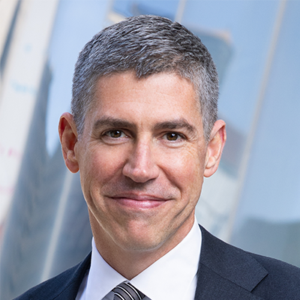
Professor & Distinguished Chair, Mount Sinai Icahn School of Medicine
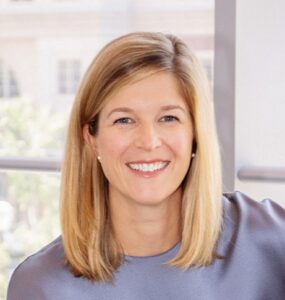
The U.S. healthcare system is deeply complex, with fragmented structures and misaligned incentives that generate friction and too often leave patients stuck in the middle. This opening keynote brings payer and provider leaders into an unusually candid dialogue, asking hard and sometimes uncomfortable questions about how all sides create waste and distrust. Acknowledging that no part of the system holds a monopoly on virtue or vice, the conversation will confront where incentives break down and why progress stalls, and examine how shared data, technology, and AI can restore alignment and drive meaningful, systemwide progress.
PANEL 2 – Mental Health AI
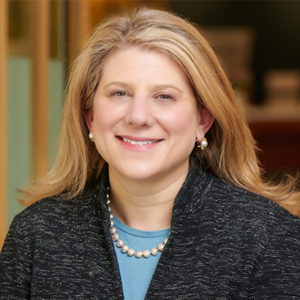
Associate Professor, Harvard Medical School
Director of the Center for Quantitative Health, Massachusetts General Hospital
Professor of Psychiatry, Harvard Medical School
Academic Fellow, Leadership Conference on Civil and Human Rights
Mental health represents a particularly high-stakes use case for medical AI, as recent lawsuits implicating commercial tools in patient suicides have made painfully clear. Yet an equally pressing problem demands attention: a global shortage of qualified mental health providers has left millions without adequate care, and—advised or not—many are already turning to commercial chatbots for counseling and support. What safeguards are needed before deploying AI in these contexts, and who should be responsible for enforcing them? How should we design clinical trials when the risk of harm is acute and the affected population is vulnerable? And how do we balance regulatory caution against the reality that millions are already using unregulated tools? This panel will tackle these questions, bringing together experts in psychiatry, bioethics, algorithmic accountability, and the hands-on development and prospective evaluation of mental health AI systems.
BREAK
POSTER SESSION 1 (ODD NUMBERED)
NETWORKING BREAK
DINNER BANQUET & PLENA SHOW
Join us for a beachside dinner and enjoy a live Plena performance, a traditional Puerto Rican musical genre that originated in the early 1900s, known as “el periódico cantado” (the sung newspaper) for its role in narrating current events, daily life, and social commentary. Rooted in African, Spanish, and Taino influences, it is characterized by upbeat, call-and-response vocals and a heavy percussion section featuring handheld pandereta drums. The Plena show will take place from 6:00-6:30 pm.
Day 3 – Thursday, May 7
BREAKFAST (OPTIONAL: GOOGLE ROUNDTABLE)
Drop by to have a conversation with Google researchers and engineers working on open large language models such as MedGemma (see goo.gle/hai-def), and projects such as AMIE, Plan for Care, and more. Open model discussion led by Daniel Golden, with others available: Andy Gao, Cara Tan, Jackie Barr, Mike Sanchez, Mike Schaekermann, and Yun Liu.
DAY 3 REMARKS
DEBATE 2 – To Trial or Not to Trial?
Varma Family Chair, SickKids Research Institute
CIFAR AI Chair, Vector Institute
Do we always need a trial to evaluate the clinical impact of an AI model? When is it safe to deploy without a trial? Are there truly effective ways to roll out model deployment in real-world settings and still have robust estimates of its clinical impact? Let’s debate!
YEAR IN REVIEW

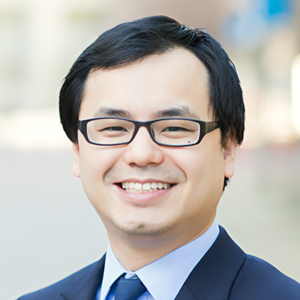
This Year in Review session will explore key themes in AI deployment into the clinic over the past year, supported by notable papers and real-world case studies. We will discuss both highlights and lowlights, examining what has worked, what hasn’t, and why. Through a review of impactful research and major events, this session will provide a critical perspective on the state of clinical AI and where it is headed next.
BREAK
SPOTLIGHT TALK 3 – Performance of a Large Language Model on the Reasoning Tasks of a Physician
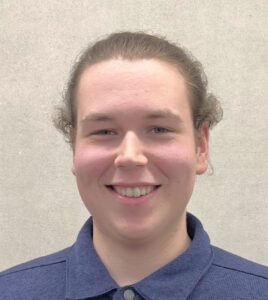
OpenAI’s o1/o1-preview was evaluated across six assessments of clinical reasoning, including diagnostic reasoning and management reasoning on clinical vignettes and second opinion differential diagnosis quality on unstructured real emergency department cases. Compared to physician baselines, o1/o1-preview performed at or above the level of human physicians.
PANEL 3 – The Elephant in the Room
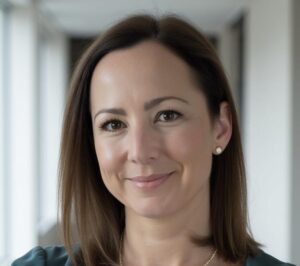
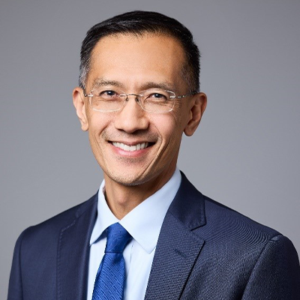
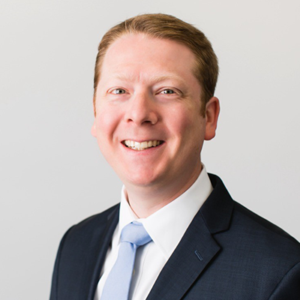
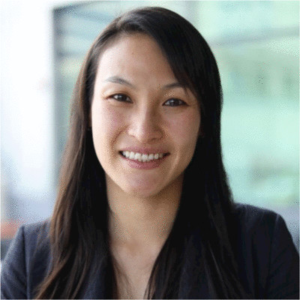
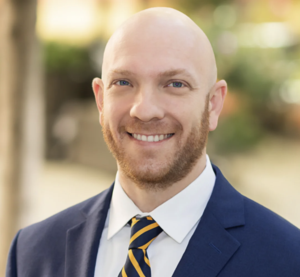
Assistant Adjunct Professor, University of California, San Francisco
As large electronic health records and AI technology vendors increasingly dominate the healthcare landscape, how do venture capitalists, startups, and health systems navigate technology investment decisions? This panel brings together voices from across the ecosystem to uncover the tensions, trade-offs, and strategies at play when major incumbent vendors loom large over innovation and investment priorities in health AI. Panelists will explore how entrepreneurship can succeed in the presence of giants, what health systems weigh when choosing between building on dominant platforms versus betting on emerging players, and how the industry can foster an environment where transformative ideas still have room to thrive.
LUNCH (OPTIONAL: OPENEVIDENCE ROUNDTABLE)
Drop by to have a conversation on building the most widely-used medical knowledge platform in the world with OpenEvidence’s CMO, physician scientists and engineers and more (see openevidence.com and https://jobs.ashbyhq.com/openevidence). Led by Travis Zack, Sam Finlayson and Vivien Ho.
SPOTLIGHT TALK 4 – Connecting Holistic Evaluation to Real-World Implementation: MedHELM and ChatEHR
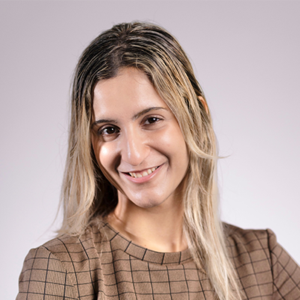
This talk will describe how Stanford Medicine is building a pathway from rigorous evaluation to real-world deployment of medical LLMs. I will share lessons from MedHELM, a holistic evaluation framework spanning real clinical tasks, and ChatEHR, a deployed EHR-integrated platform, with a focus on what health systems need to know to adopt these models safely and meaningfully.
SPOTLIGHT TALK 5 – Characterizing the National Generalizability of the Epic Sepsis Model v2 through a Multicenter Prospective Validation Study
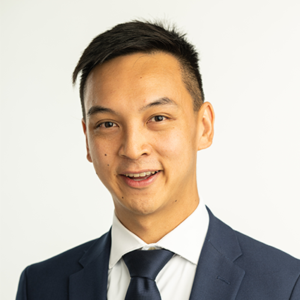
The Epic Sepsis Model v2 (ESM v2) is a sepsis prediction model deployed at over a hundred hospitals nationwide. This talk will present findings from a multicenter prospective validation study of the ESM v2, report on the variability in model performance and alert burden observed across four major U.S. health systems, and discuss implications for the national generalizability of AI-driven clinical decision support tools.
BREAK
INVITED TALK 2 – Autonomous Clinical Reasoning with Language Models
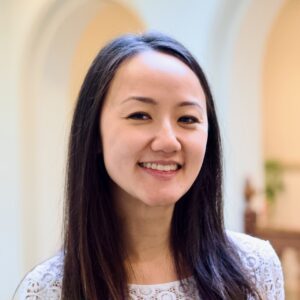
Associate Professor, University of Birmingham
Associate Editor, NEJM AI
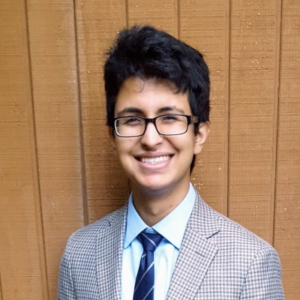
Since showcasing the power of language model orchestration in clinical diagnostics with MAI-DxO last year, the health research team at Microsoft AI will share new progress on advanced clinical reasoning and improving the consumer experience of healthcare.
POSTER SESSION 2 (EVEN NUMBERED)
NETWORKING BREAK
DINNER BANQUET & SALSA DANCE SHOW
Come join us for live traditional music by local band Jíbaro Pop Trío. A “jíbaro” traditionally refers to a self-sufficient, rural farmer from the mountainous interior, representing an iconic symbol of Puerto Rican identity, resilience, and culture. This term is now proudly embraced by many Puerto Ricans across different backgrounds as a connection to their heritage, symbolizing hardworking, honorable traits.
There will also be a live Salsa dance performance from 7:00-7:30 pm.
Day 4 – Friday, May 8
BREAKFAST (OPTIONAL: ATROPOS HEALTH ROUNDTABLE)
Join the Atropos Health roundtable exploring how agents are accelerating access to real-world evidence and what it means for clinicians at the point of care and the future of clinical research. We’ll discuss the opportunities and use cases for AI in medicine, from accelerating evidence-based decisions to drug discovery and deployment. Led by Saurabh Gombar.
DAY 4 REMARKS
DEBATE 3 – To Regulate or Not to Regulate?
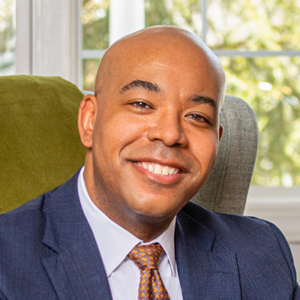
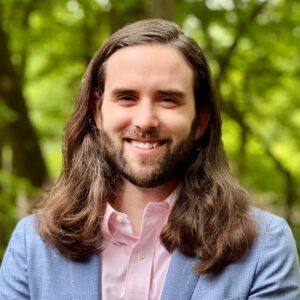
Safeguard now, or stifle breakthroughs? Two leading experts face off in a high-stakes debate. One side warns that without immediate, robust regulation, clinical AI will trigger widespread medical errors and privacy breaches at population scale. The other argues that regulating too soon will deny millions of patients the full power of today’s AI models—especially where human expertise is scarce—and slow the development of tomorrow’s truly high-performance systems. Which path protects patients more: faster guardrails or faster progress? Come decide with us at SAIL.
CLOSING KEYNOTE – Assistive to Autonomous: Redesigning the Future of Healthcare
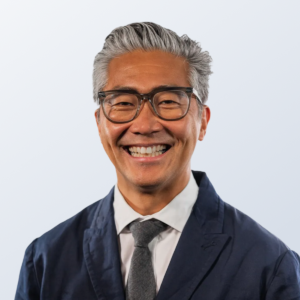
Today’s AI aces medical exams, but passing a test isn’t delivering care. Moving beyond point solutions requires building autonomous systems that manage entire episodes of care end-to-end. The biggest mistake in clinical AI is confusing better models with real world readiness. How do we chart the path from assisted control to full autonomy, from ‘doctor in the loop’ to ‘doctor on the loop’, safely and responsibly?
BREAK
PANEL 4 – Surgical AI
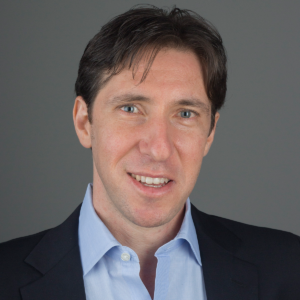
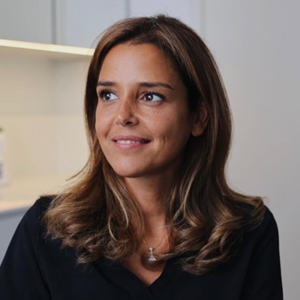
Director of Clinical Innovation, Guy’s + St Thomas’ NHS Foundation Trust
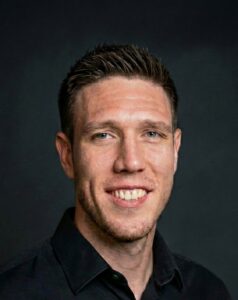
Surgical AI is rapidly transforming the operating room into a data-rich, learning environment. Robotic surgery, tele-operation, and augmented reality technologies are the new frontier of the interface that is now merging computer vision, language models, and robotic action models to augment surgical skill, safety, and awareness. Real-time analytics driven by machine perception can quantify surgical technique, guide intraoperative decision-making, and provide adaptive feedback to surgeons and trainees. Looking forward, integration of multimodal operative data with learning health system infrastructure will enable closed-loop improvement in surgical workflows, complication prevention, and patient outcomes. This session will explore how AI-augmented robotics and analytics can move surgery toward a measurable, continuously learning discipline that scales expertise and improves care at the system level.
CLOSING REMARKS
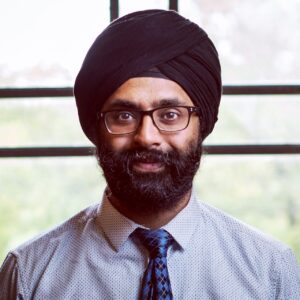
Associate Professor & Chair, UC San Diego
LUNCH (OPTIONAL: DEERFIELD/ASCERTAIN ROUNDTABLE)
Join Deerfield and Ascertain for a conversation on how one of the largest healthcare investment firms in the US and an AI-native startup work together to invest in, build, and deploy AI across healthcare—from intelligence systems that support investment research to operational automation for health systems and provider groups. Learn how frontier AI moves from idea to production in real-world clinical settings, and explore what career paths look like for people with scientific, engineering and clinical training who want to build at this intersection.
Optional Post-SAIL Activities
8:45-10:45 PM
OPTIONAL ON MAY 8TH: LAGUNA GRANDE BIOLUMINESCENCE KAYAK NIGHT TOUR
Join other SAIL attendees for a 2-hour kayak tour to experience the rare phenomenon of bioluminescence in Laguna Grande, one of 3 bio-bays found in Puerto Rico (and only 5 worldwide!). The glowing effect in the water is caused by dinoflagellates—microscopic organisms that emit a bluish-green neon glow in reaction to movement in the water.
Plan to depart the hotel by 7:30 PM and arrive for the tour by 8:15 PM. Transportation must be arranged separately (~45 min by Uber or taxi).
Only 25 spaces available–first come, first served–book by April 23rd. To get the discounted rate, you must call or text 787-245-4545 to purchase tickets and reference “SAIL” group on May 8th. More info at https://kayakingpuertorico.com/home/tours/bio-bay-kayak-tour/ (please note, you cannot buy tickets on the website–it shows SOLD OUT because they are holding the spaces for our group).
($67 per person. Children under the age of 6 are not permitted.)
8:30 AM-12:30 PM
OPTIONAL ON MAY 9TH: GUIDED HIKE IN EL YUNQUE RAINFOREST
Join other SAIL attendees for a guided hike into the heart of Puerto Rico’s El Yunque rainforest. Hike through the lush foliage and learn more about the wildlife that calls El Yunque home. Next, swim in a natural pool, go cliff-diving and rope-swinging if you dare, and admire the waterfalls.
Plan to depart the hotel by 7:30 AM. Transportation included to/from hotel.
Limited spaces available. Go to https://micasaventuras.com/el-yunque-rainforest-adventure.html to purchase tickets and for more info. Select the 8:30am hike on May 9th and apply the promo code DIRECTAVENTURAS. ($68 per person. Children under the age of 2 are not permitted.)
9:30 AM-12:00 PM
OPTIONAL ON MAY 9TH: BEACH HORSEBACK RIDING
Join other SAIL attendees for an unforgettable guided adventure that takes you off the beaten path to enjoy a 2.5 hour horseback ride, while taking in the Caribbean views and the beauty of the rainforest ecosystem. This tour takes you to the Mameyes River, plus, you’ll have the opportunity to ride on one of the best known beaches in the Caribbean. This tour caters to all levels of riders–beginner, intermediate, and experienced riders are all welcome.
Plan to depart the hotel by 8:00 AM. Transportation must be arranged separately to Carabali Adventure Park (~20 min by Uber or taxi).
Limited spaces available. Go to https://carabalirainforestpark.com/adventures/horseback-beach/ to purchase tickets and for more info–select May 9th at 9:30 AM. ($140 per person. Children under the age of 8 are not permitted.)